From warehouse floors to festival grounds: How Gen X Ravers are passing down the beat
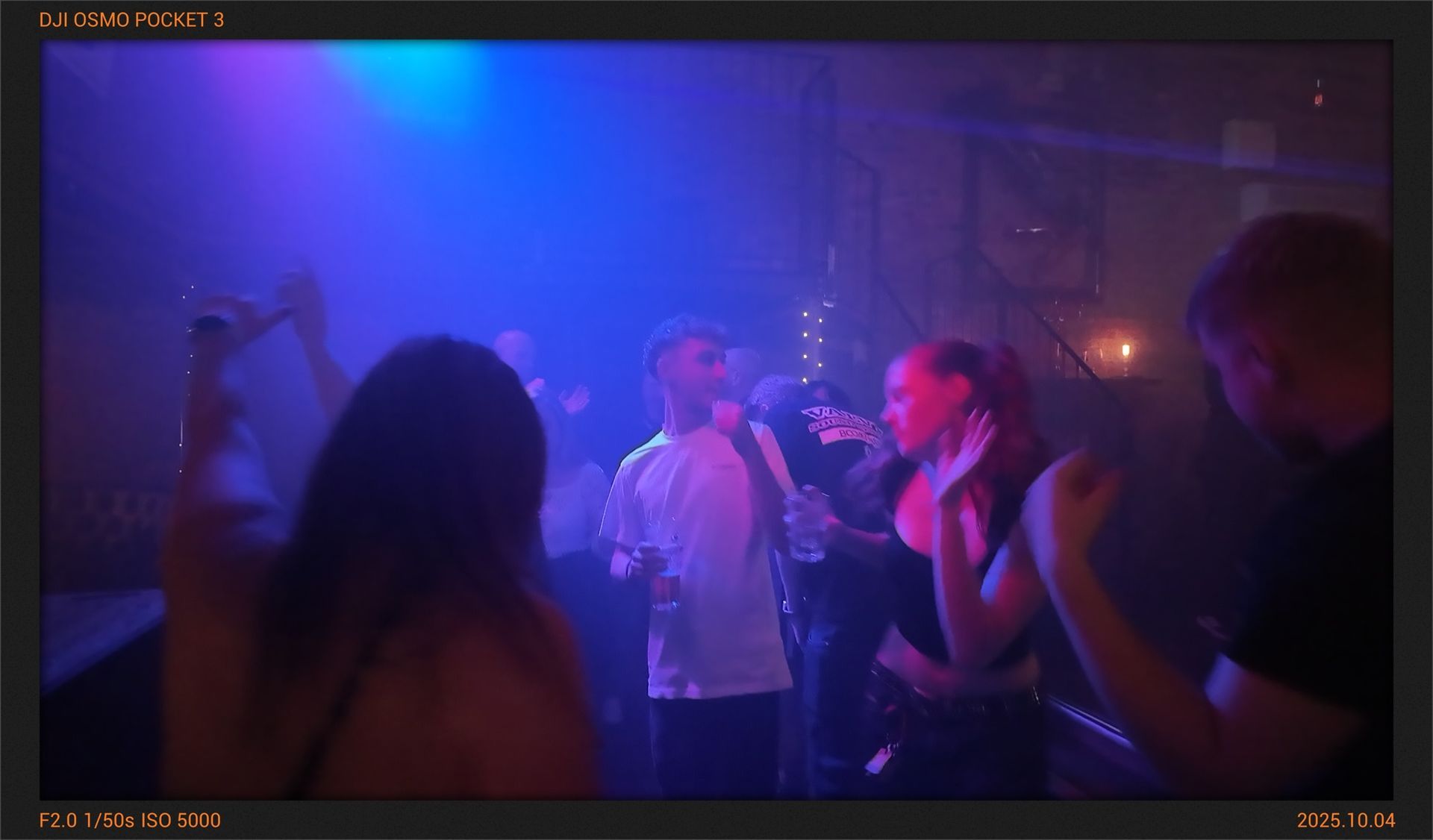
ABOVE: The Friday Vinyl Sessions - Canvas 2025 - Twenty somethings dancing with DJ Cut Up
BELOW: 1990s influenced - The Trip - Love Struck
There's something beautifully surreal about standing in a club in 2025 and watching a twenty-something dance with the same unbridled joy their parent experienced in a sweaty club thirty years ago - even better when they are actually with their parents. The bassline could be different, the technology has evolved, but the spirit? That's remained remarkably intact. For Gen X ravers (myself included) - those who came of age when electronic music was still underground, illegal, and misunderstood—a quiet revolution is happening. Their children, now adults themselves, are discovering (or rediscovering) the culture that shaped their parents' formative years. And the conversations happening between these generations reveal something profound about music, values, and what we choose to pass down.
The Parents Who Never Really Left
Not every Gen X raver hung up their dancing shoes. Sure, life happened—mortgages, careers, kids, responsibilities. But for many, the music never stopped. It just... evolved. The illegal warehouse raves became legal club nights. The all-nighters became "home by midnight" sets. The mixtapes became Spotify playlists.
Some Gen X parents introduced their kids to the music early—car rides soundtracked by classic house, or ambient techno, kitchen dance parties with other parents to old rave anthems. Others kept that part of their lives private, a chapter from before parenthood that felt separate from their current identity. But here's what's fascinating: regardless of approach, many of their kids found their way to the music anyway.
When Your Kid Discovers Your Old Scene
Imagine your teenager coming home excited about a DJ you saw in a 500-person venue in 1994, now playing to 50,000 people at a major festival. Or your adult child showing you their new favorite track, and you immediately recognize the sample from a tune that defined your summer of '96
These moments are happening everywhere. Gen Z and younger Millennials are diving deep into electronic music—not as a retro trend, but as a living, breathing culture. Trance is having a resurgence. Drum and bass has exploded. House music never left. And suddenly, parents who thought their rave days were ancient history are finding common ground with their kids on the dance floor.
Some parents have embraced this fully. They're attending festivals together, sharing stories about the old days, introducing their kids to the original tracks behind modern remixes. They're explaining what PLUR meant when it wasn't just a hashtag. They're teaching the difference between a proper underground night and a commercial mega-festival.
Others are more cautious. They remember the risks, the sketchy venues, the legal gray areas. They see the commercialization and wonder if the soul of the culture has been lost. They worry about the same things their own parents worried about, viewing the modern scene through a lens of both nostalgia and concern.
What's Being Passed Down (And What's Not)
The most interesting aspect of this generational handoff isn't just the music itself—it's the values. The core principles of rave culture—acceptance, unity, losing yourself in the moment, finding community outside of mainstream society—these resonate deeply with young people today.
In an age of social media anxiety and digital disconnection, the idea of putting your phone away and just being present in a space filled with strangers who become friends holds powerful appeal.
Many Gen X ravers are consciously passing down these values. They talk about respect for the music, for the space, for other dancers. They emphasize the importance of looking out for each other. They share stories of communities built in basements and fields, where your background didn't matter—only your vibe.
But there are differences too. Gen X experienced rave culture when it was genuinely countercultural, even dangerous. Getting the location of a party meant phone trees and secret map points. The music was new, uncharted territory. There was a sense of pioneering something.
Today's scene is different. EDM is mainstream. Festivals are corporate-sponsored. You can stream any DJ set from anywhere in the world. The underground still exists, but it coexists with a massive commercial industry.
Some Gen X parents mourn this change. Others see it as evolution—the music they loved going from misunderstood to celebrated, from illegal to legitimate art form.
The Kids Who Are Keeping It Real
What's remarkable is how many young people in the scene today are seeking authenticity. They're not just showing up for Instagram moments. They're digging into the history, discovering the Detroit techno pioneers, the UK rave scene, the roots of house in Chicago's Black and LGBTQ+ communities. They're seeking out smaller venues alongside the big festivals. They're learning to DJ, to produce, to contribute to the culture rather than just consume it.
Many are doing this without their parents' involvement, discovering it independently. But when they find out their mum or dad was part of this world? That's when things get interesting. Suddenly there's a bridge between generations that didn't exist before. Shared language. Mutual respect. Stories exchanged in both directions.
"What was it really like?" becomes a question with weight. And Gen X parents have to decide how honest to be—about the magic, yes, but also about the messiness, the risks, the reasons they eventually walked away or stayed.
Full Circle at the Festival
There's a photo making rounds in various rave communities: a parent and their adult child, arms around each other, faces lit up by stage lights, both lost in the same moment of musical euphoria. It's become a symbol of something special happening in electronic music culture.
This isn't just nostalgia. It's not parents trying to relive their youth through their kids. It's a genuine meeting place—two generations finding connection through something that transcends age, through music that's designed to dissolve barriers rather than create them.
For Gen X ravers, watching their kids experience the joy, the community, the transformative power of the right track at the right moment—it's validation. The thing that their own parents didn't understand, that society dismissed as a drug-fueled fad, has become a lasting cultural force. Their kids get it. Not because they were forced to, but because the music itself is that powerful.
And for the younger generation? Having parents who understand why you'd drive three hours to see a specific DJ, who don't dismiss electronic music as "all the same," who might even join you on the dance floor occasionally—that's surprisingly meaningful in a world where generational divides often feel insurmountable.
The Beat Goes On
Not every Gen X raver is sharing this culture with their kids. Some deliberately kept those worlds separate. Some have kids who found their musical calling elsewhere—and that's okay too. This isn't a story about obligation or tradition. It's about the organic way culture moves through time when it's genuine.
What's clear is that rave culture's influence on Gen X didn't end when the parties did. It shaped their values, their sense of community, their understanding of music as a transformative force. And whether intentionally or not, those lessons filtered down.
The kids who grew up with parents who valued acceptance, who believed in community, who understood the power of losing yourself in music—they're bringing those values back to the dance floor. They're reminding their parents why they fell in love with this culture in the first place. And together, they're proving that some things—the really important things—transcend generation, fashion, and time.
The warehouse may have become the festival field. The vinyl which initially became the digital stream, has now returned. The feeling? That's eternal. And it's being passed down, one beat at a time.
So whether you're a Gen X raver watching your kid discover Sasha for the first time, or a young person about to blow your parent's mind by showing them that photo of them at Haçienda—here's to the culture that keeps on giving. See you on the dance floor.